
Lesson 5
Cocktail Modifiers Explained: Why We Need Them
3 Minute Cocktail Education
Today we're going to show you how cocktail modifying agents work and why a modifying agent is important in cocktails. We'll explain cocktail modifiers using an example cocktail just complicated enough for our needs: the Hemingway Daiquiri.
A modifying agent is important when working with cocktails that go slightly beyond the most basic sours. We stick with our golden ratio, but the ratio doesn't always appear obvious — as you'll see in the Hemingway Daiquiri breakdown.
What is a Modifying Agent?
What we can learn from this is that 2:1:1 and really close ratios like that can be hidden in the numbers, and you have to consider the sweetness of your modifying agent. A modifying agent is the ingredient that gives the cocktail its character. It helps soften the potency of the raw spirit — like a light rum — by both toning down the potency and complementing its natural flavor.
Cocktail modifiers explain how a cocktail tastes by influencing the flavor, accenting the spirit, and complementing the sweets and sours. It might be a bitter modifier like Campari or Aperol, or a sweeter alternative like Amaretto or Orange Liqueur. Each modifying agent has a purpose, and once you understand how they work, it will make your cocktail designs hundreds of times better.
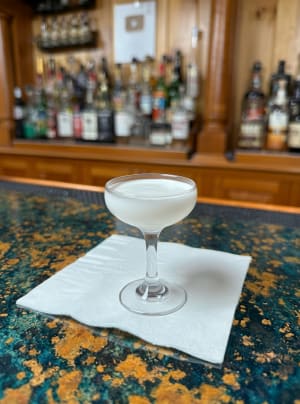
Hemingway Daiquiri
- 2 oz Light Rum
- 3/4 oz Fresh Lime Juice
- 1/2 oz Maraschino Liqueur
- 1/2 oz Fresh Grapefruit Juice
- 3/4 oz Simple Syrup